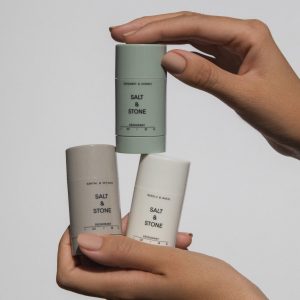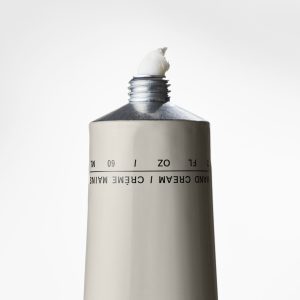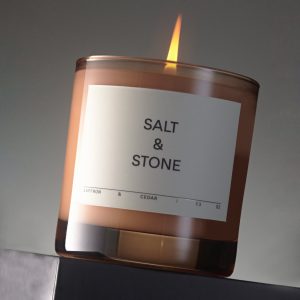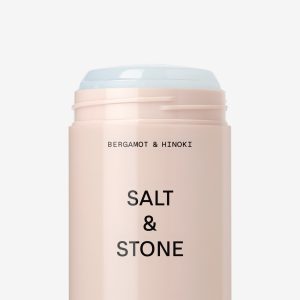
They’re best sellers
for a reason
Try the scents everyone’s talking about.

Best Sellers
Best Sellers
Best Sellers
Best Sellers
Best Sellers
Best Sellers
Best Sellers
Best Sellers
Best Sellers

Best Sellers
Best Sellers
Best Sellers
Best Sellers
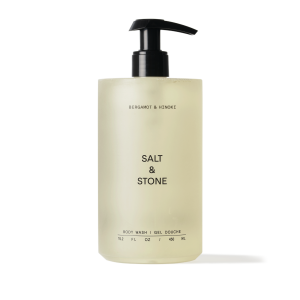
Best Sellers
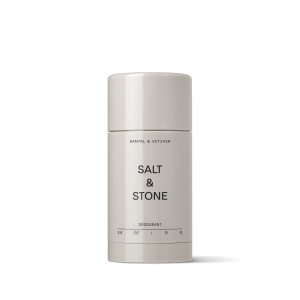
Best Sellers
Shop by Category

The transition from a quick, functional shower to a deliberate sensory experience is one of the simplest yet most profound ways to enhance your lifestyle. We often view the act of cleansing as a mundane chore—something to be checked off a list before the day begins or ends. However, when we shift our perspective and treat the selection of cleansing products as an intentional practice, we unlock a world of restorative potential.
The most immediate impact of high-quality liquid soaps and cleansers is their olfactory profile. Scent is one of the strongest triggers for memory and emotion in the human brain. By choosing products infused with essential oils rather than synthetic fragrances, you are engaging in a form of subtle aromatherapy.
For a morning routine, citrus-based notes such as bergamot, grapefruit, or lemongrass serve as a natural stimulant, clearing the “mental fog” and preparing the mind for focus. Conversely, evening rituals benefit from the grounding properties of sandalwood, cedarwood, or lavender. These scents signal to the nervous system that the time for productivity has passed and the time for recovery has begun.
Beyond the scent, the physical sensation of the product on the skin plays a crucial role. The market has evolved far beyond basic bars of soap. Today, we have access to cloud-like foaming washes, rich oil-to-milk cleansers, and exfoliating pastes.
A rich, creamy body wash does more than just remove impurities; it provides a protective barrier that prevents moisture loss during the washing process. For those with sensitive skin, the tactile experience of a “low-lather” formula can be particularly soothing, as it cleanses without stripping away the natural oils that keep the skin supple and resilient.
To truly maximize the efficacy of your products, consider the environment in which they are used. The interplay between warm water, steam, and the aromatic molecules of your chosen gels creates a micro-climate of relaxation. This is where the ritual becomes a meditative practice. By focusing entirely on the sensation of the lather and the rhythm of the water, you practice mindfulness, allowing the stresses of the external world to dissolve.